

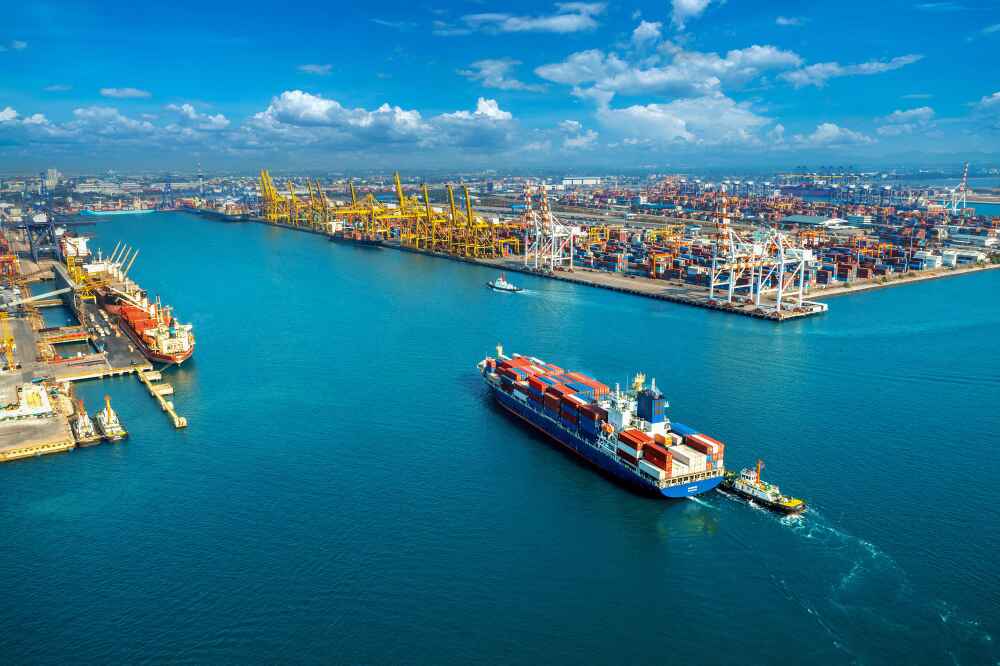
In today’s competitive global market, supply chain efficiency plays a critical role in business success. Delays, poor coordination, and fragmented logistics services can increase costs and disrupt operations. This is where integrated sea freight services make a significant difference.
By combining ocean freight with end-to-end logistics support, businesses gain better control, visibility, and reliability across their supply chains.
What Are Integrated Sea Freight Services?
Integrated sea freight services go beyond basic port-to-port shipping. They bring together multiple logistics functions under a single, coordinated solution, including ocean transportation, customs clearance, warehousing, and last-mile delivery.
Instead of managing multiple service providers, businesses work with one logistics partner who oversees the entire shipping process—from origin to final destination.
Improved Visibility and Control
One of the biggest advantages of integrated sea freight services is enhanced shipment visibility. With centralized tracking and reporting, businesses can monitor cargo status in real time, anticipate delays, and make informed decisions.
This transparency reduces uncertainty, improves planning accuracy, and allows supply chain managers to respond quickly to changes.
Reduced Delays and Operational Risks
When logistics services are fragmented, miscommunication between carriers, customs agents, and transport providers can cause delays. Integrated sea freight solutions streamline coordination across all stakeholders, minimizing handover issues and compliance risks.
Customs clearance, documentation, and cargo handling are managed efficiently, ensuring smoother cargo flow through ports and borders.
Cost Efficiency Through Consolidation
Integrated sea freight services help optimize costs by consolidating shipments, reducing unnecessary handling, and improving route planning. Businesses benefit from better carrier rates, fewer administrative expenses, and improved asset utilization.
This cost efficiency is especially valuable for companies managing regular international shipments or operating across multiple markets.
Scalability and Flexibility
As business needs evolve, integrated logistics solutions offer the flexibility to scale operations up or down. Whether handling seasonal demand, expanding into new markets, or managing project cargo, integrated sea freight services adapt without disrupting the supply chain.
This scalability supports long-term growth while maintaining operational consistency.
Conclusion
Integrated sea freight services play a vital role in improving supply chain efficiency by enhancing visibility, reducing delays, lowering costs, and simplifying logistics management. By partnering with an experienced logistics provider, businesses can achieve smoother operations, stronger compliance, and more reliable global shipping performance.
In an increasingly complex trade environment, integrated sea freight solutions are no longer an option—they are a strategic advantage.